Two Pathways of Change
OhioKAN’s theory of change has two distinct complementary pathways for change. The two pathways include (1) direct services with families to build confidence and connections and (2) capacity building support for communities and systems. Macro-level systems change is designed to support and reinforce the family pathway while the network of partnerships involved in systems change efforts are expected to benefit families because a more connected system that is aware of the unique needs of kinship and adoptive families will be better equipped to meet their needs.
The following sequence outlines key milestones and activities expected to contribute to the program’s overall impact. The higher-level milestones are associated with key activities that contribute to the next milestone. This chain can be best understood in an if-then sequence.
For example, if OhioKAN promotes community knowledge of OhioKAN by launching a statewide public awareness campaign with targeted regional/county level campaigns and educates public system partners about the unique needs of kinship and adoptive families and how they can be best supported, then local human service systems become more knowledgeable and better equipped to serve kinship and adoptive families. If local human service systems become more knowledgeable and better equipped to serve kinship and adoptive families and OhioKAN assesses and monitors the extent to which the available services and supports meet kinship and adoptive families’ needs, then OhioKAN will build community level awareness and develop connections with places families already are.
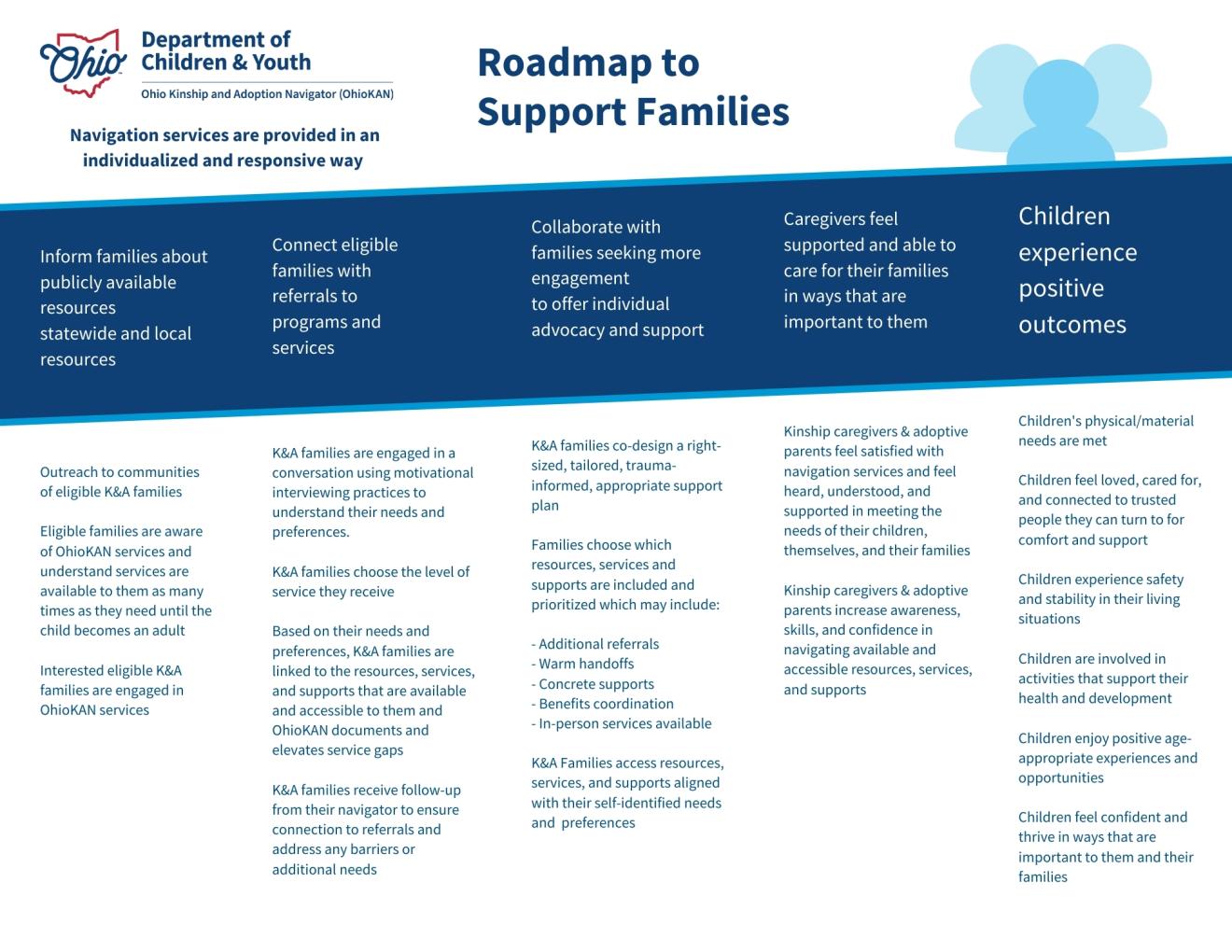
Figure 2. The roadmap to support families demonstrates the activities and desired outcomes of OhioKAN service delivery in support of families.
Families Build Confidence and Connections
OhioKAN’s target population includes both formal and informal kinship caregivers and adoptive parents, public and private, domestic and international adoptions. Service provision includes information and referrals to meet kinship and adoptive family’s individual needs, trauma-informed navigation services, and access to material resource to care for the child. The activities related to directly serving families are located on the dark blue roadmap, visualized in figure 2.
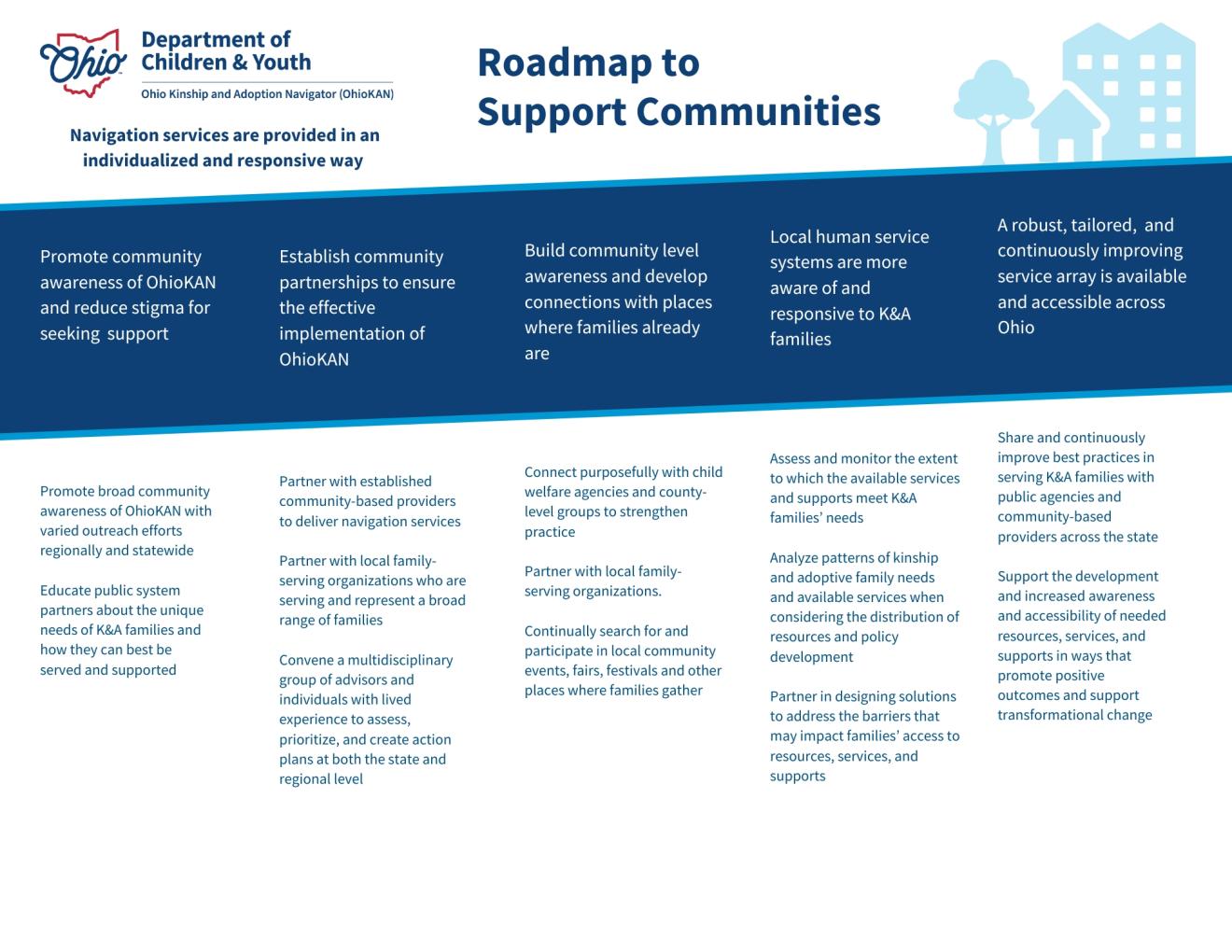
Figure 3. The roadmap to support communities demonstrates the activities and desired outcomes of OhioKAN service delivery in support of communities.